Commercial Waste Removal in Eltham
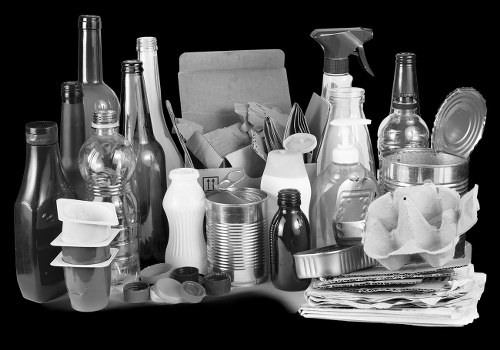
Commercial waste removal in Eltham helps businesses keep work areas clear, organised and ready for day-to-day use. Our service covers regular collections and one-off clearances for a wide range of commercial waste streams, with a practical approach suited to offices, shops, workshops and hospitality premises. When waste builds up around a busy site, it can affect storage, access and the overall presentation of the premises, so a structured removal plan is often the simplest way to keep on top of it.
We handle mixed non-hazardous commercial waste alongside more specific loads where appropriate, and we can also support businesses that need a tidier back-of-house routine. If your requirement is straightforward, the work may be as simple as a planned collection. If the waste is bulky, mixed or accumulated over time, it may need a more tailored approach. The aim is to remove the material efficiently and leave the site easier to manage. For a clear starting point, request a quotation when you are ready.
Different premises create different waste profiles, so it helps to think about what needs removing, how often it appears and whether anything requires separate handling. We can support collections that fit around trading hours and operational access, with clear communication about what is included. If you already know the type of waste and the volume involved, that is usually enough to begin. Speak to us about your commercial waste and disposal needs in Eltham.
Regular business waste collections
Routine collection is often the most effective way to manage recurring commercial waste. Offices, salons, retail units and smaller workspaces all produce everyday waste that can quickly become inconvenient if bins are under-sized or collections are too infrequent. A regular service is typically planned around what your premises actually generate, so the focus stays on steady removal rather than reactive clearance. That makes it easier to maintain a cleaner working environment without overcomplicating the schedule.
Where a business produces mixed general waste, we can help with removal that keeps the process simple and predictable. Some clients only need support with periodic overflow waste, while others prefer a more consistent collection pattern to prevent accumulation behind the scenes. In either case, the service is intended to fit a working premises rather than interrupt it. If you need to compare service options, our pricing and quotations page gives a useful next step.
Good waste management starts with a sensible routine. A practical schedule usually considers access, storage space and the nature of the material being removed. Commercial waste can include packaging, paper, general office refuse and other everyday items that should not be left to gather in back rooms or loading areas. Keeping the process organised makes it easier to stay compliant with your own site procedures. If you are planning a change in collection frequency, let us know what is working now and what is not.
Office, retail and workplace clearance

Some businesses need more than an ordinary bin collection. Office, retail and workplace clearance is designed for situations where waste has built up in storage rooms, stock areas, desks, archive spaces or customer-facing parts of the premises. This can include redundant office items, packaging, old fixtures or mixed material that needs sorting out in one visit. The emphasis is on restoring usable space without making the process feel disruptive or drawn out.
Workplace clearance is useful when a business is reorganising, reducing stored material or preparing areas for refitting. It can also help when back-of-house spaces have become awkward to use because waste has been left in layers over time. Where items need separating before removal, it is better to plan that in advance so the collection can run smoothly. Office clearance is the best fit when desks, filing, furniture or equipment are part of the job.
For mixed commercial premises, clear communication about access points, loading arrangements and any items that need to remain on site can make the clearance more efficient. A concise list is usually enough: what needs removing, where it is stored and whether there are any restrictions on timing or movement through the building. That detail helps us match the service to the space. If the waste includes larger objects as well as general refuse, it may be worth separating the load into categories before collection.
Bulky items and commercial furniture disposal

Commercial furniture disposal is often needed when premises are being refreshed, repurposed or reduced in size. Desks, chairs, shelving, counters and similar items can take up far more room than ordinary waste, and they usually need a service that understands how to move bulky materials safely through the site. We can support the removal of furniture that is no longer required, helping businesses clear space without leaving awkward objects in corridors or storage areas.
Some furniture is best removed on its own, especially if it is large, awkwardly shaped or too heavy to mix with ordinary waste. That applies equally to items from offices, waiting rooms and retail spaces. Where the disposal involves multiple pieces, it helps to note whether items are dismantled or still assembled, because that can affect how they are moved. Furniture disposal is a useful page if the main task is to remove unwanted fittings and furnishings.
Businesses often need a straightforward process for old furniture because it becomes a storage issue long before it becomes a waste issue. Clear access, realistic lifting requirements and a sensible plan for the items involved all make a difference. Some pieces may need to be carried out from upper floors or from tight back rooms, so the load should be considered as a whole rather than item by item. It is usually better to remove bulky items in one coordinated visit than to let them linger.
Builders waste and light commercial refurbishment debris
Commercial waste removal is not limited to general office or retail refuse. It can also include builders waste generated during fit-outs, small refurbishments and maintenance work on commercial premises. That may involve broken fixtures, packaging from new materials, offcuts, plasterboard, timber, tiles or mixed debris left after a project has finished. A clearance of this kind needs a service that is comfortable handling varied, often irregular material.
When building or refurbishment debris is involved, the most practical approach is usually to identify the waste that can be removed together and anything that should be kept separate. Heavy items may need extra handling, while mixed debris can require sorting to keep the collection efficient. Builders waste clearance is relevant when the waste comes from construction or renovation activity rather than ordinary workplace use.
It also helps to think about whether the site is active, partly closed or being handed over after work has finished. That affects access, timing and how the clearance should be planned. We can work with the information provided and align the removal with the stage of the project, whether the waste is spread across one area or gathered into a dedicated pile. The objective is simple: remove the debris cleanly so the next stage can proceed.
Waste types, sorting and responsible handling
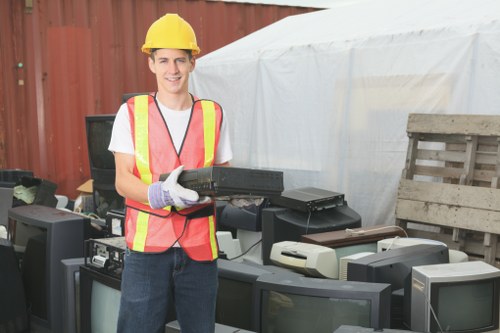
Not every commercial load is the same, which is why the type of waste matters as much as the amount. General business waste, furniture, appliances, mixed clearance material and building debris each need a slightly different approach. Some loads are straightforward and can be removed in bulk, while others benefit from a degree of sorting before collection. That can make the process more efficient and easier to plan around the way your premises operate.
Where a site produces mixed waste, it is sensible to identify anything that may need separate treatment. For example, bulky items, confidential paperwork, appliances and materials from refurbishment work may each call for different handling. If you need a related service, confidential shredding is available for paper records and sensitive documents that should not go into ordinary waste streams. Keeping categories clear at the outset helps reduce confusion later.
Responsible handling is about more than simply moving items away from the premises. It involves choosing the right route for the waste and making sure it is treated appropriately once collected. Businesses often appreciate that because it gives them a more orderly way to deal with accumulated material. A well-planned clearance is usually easier on staff, storage areas and access routes. If your waste profile has changed recently, tell us what is now being produced so the collection can be matched to the current situation.
About Eltham
Eltham is an area in the Royal Borough of Greenwich in south-east London, known for its mix of historic buildings, suburban streets and substantial green space. One of its best-known landmarks is Eltham Palace, whose present appearance combines a medieval hall with a later 20th-century house, creating an unusual and much-studied architectural site. The surrounding district includes older residential roads, local shopping parades and community facilities that give the area a settled, lived-in character. Eltham Green and Well Hall Pleasure Grounds are among the open spaces associated with the district, while the nearby River Quaggy has shaped parts of the local landscape. The area also contains traces of earlier settlement and development, including links to the wider historic county of Kent before London’s present-day borough structure took shape. Eltham railway station connects the district with central London and neighbouring parts of south-east London, reinforcing its role as both a local centre and a commuter area. The district’s built environment shows a combination of housing from different periods, civic buildings and small commercial frontages, while the retail centre provides everyday services for residents. Green corridors, parks and tree-lined streets contribute to the character of the locality, and the presence of historic sites alongside modern streetscape gives Eltham a distinctive balance between heritage and ordinary suburban life.
Collections for different premises and schedules
Commercial waste removal needs to work for the site it serves, so premises type and trading pattern matter. A small office may need occasional clear-outs and routine bin support, while a retail unit may produce packaging, display materials and stock-related waste at predictable intervals. Workshops, hospitality venues and mixed-use premises can create heavier or more varied loads. The right service is one that understands the shape of the waste rather than treating every customer in exactly the same way.
For some businesses, the priority is a steady collection pattern that keeps routine waste under control. For others, the need is occasional removal when an area becomes congested or a storage room fills up. Either way, it helps to be clear about the setting and the timing. If your requirement is mainly a one-off clear-out, business waste removal is a sensible page to review before you contact us. It covers broader workplace disposal needs that may include several waste types in one visit.
When planning a collection, it is often enough to describe the premises and the main waste stream in plain terms. That could be office paper, mixed packaging, redundant fittings or general non-hazardous refuse. Clear descriptions lead to better matching of the service. If there are access considerations such as narrow corridors, shared entrances or loading restrictions, mention them early so the collection can be organised properly.
Preparing a quotation and arranging the work

A quotation is usually easier to prepare when the waste type, volume and location on site are clearly described. Photographs can be helpful, especially if there are bulky items, mixed materials or awkward access points, but a concise written description is also useful. The more accurately the waste is represented, the easier it is to suggest a suitable approach. This is particularly important when several categories of waste are present in one place.
It can also help to note whether the items are already gathered, whether they are spread through more than one room and whether any parts of the premises have limited access. If the collection needs to work around opening hours or other operational requirements, that should be included too. For a direct next step, contact us when you are ready to request a quotation. If you would like to review broader service information before getting in touch, our waste removal page gives a helpful overview.
Once the details are clear, the remaining step is to agree the most practical arrangement for the site. Some customers prefer to group everything together in advance; others want help with a load that has already accumulated in stages. Either way, the purpose is to make the collection orderly and straightforward. If you are comparing options across different types of business waste, it may help to decide whether your priority is regular service, a one-off clearance or the removal of specific bulky items.
Appliances, specialist items and extra clearances
Commercial premises sometimes generate items that sit outside ordinary mixed waste, especially when kitchens, break rooms, storage areas or small service spaces are being updated. Fridges, freezers and other appliances can be awkward to move, while mattresses, sofas and similar soft furnishings need their own handling. These items are best considered separately so the collection can be planned around their size, weight and shape.
If your premises has old appliances to remove, fridge and appliance removal is a relevant option. For larger soft furnishings that are no longer needed in staff areas or waiting spaces, mattress and sofa disposal is available too. In some cases, the job may also include garage-style storage areas or ad hoc spaces filled with mixed equipment, and those can often be handled as part of a larger clearance plan.
Specialist items are often the parts of a job that benefit most from early identification. They may not be numerous, but they can affect how the whole collection is approached. Adding them to the description at the start makes the quotation more accurate. If you are dealing with several kinds of waste at once, it is worth deciding what should go together and what should be listed separately before the collection date.
Service decisions, access and the final step
Choosing the right waste service is often about matching the work to the premises rather than choosing the broadest option available. Regular business waste removal suits recurring refuse, while clearance work is better for accumulated items, bulky furniture or changes to the layout of a site. If the waste is mainly the result of moving stock, clearing a room or tidying a work area, the job may be more suitable for a one-off visit than for an ongoing collection plan.
Before you enquire, it helps to keep three points in mind:
- what type of waste needs removing;
- where it is located within the premises;
- whether it needs to be handled alongside other items.
When you are ready, ask for a quotation in plain terms and include any practical details that affect access or loading. We can then look at the most suitable way to deal with the waste and agree the right service for the job. Request a quotation today.