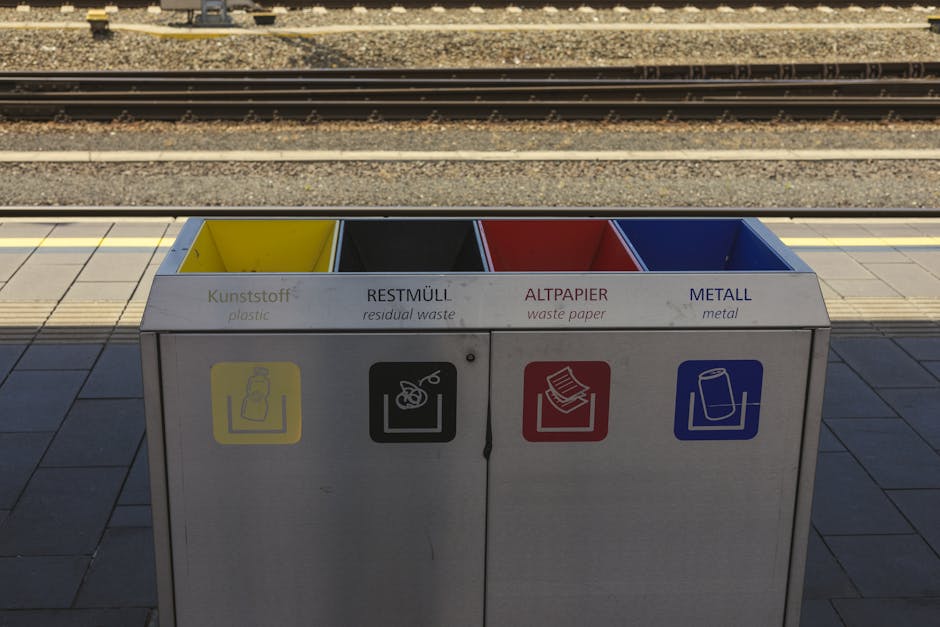
Eltham Station quick rubbish collection for commuters

If you commute through Eltham Station, you already know how quickly a day can get away from you. One missed train, one heavy bag of broken household bits, one awkward item you keep meaning to get rid of, and suddenly the "I'll sort it later" plan has turned into a clutter problem. That is exactly where Eltham Station quick rubbish collection for commuters makes life easier. It is a practical, time-saving way to clear unwanted waste before or after work, without losing an evening to trips to the tip or trying to squeeze bulky junk into the weekend.
For busy commuters, speed matters. So does reliability. And frankly, so does not having to think about rubbish for longer than necessary. This guide explains how fast rubbish clearance near the station works, who it suits, what to watch out for, and how to keep the whole process simple, tidy, and properly handled.
To help you get the most useful overview, this article focuses on real-world commuter needs: short time windows, awkward collection points, mixed waste, and the desire to get things done without fuss.
- Why it matters
- How it works
- Key benefits and practical advantages
- Who it is for
- Step-by-step guidance
- Expert tips
- Common mistakes to avoid
- Tools, resources and recommendations
- Law, compliance and best practice
- Options and comparison
- Real-world example
- Practical checklist
- Conclusion
- Frequently asked questions
Why Eltham Station quick rubbish collection for commuters Matters
Commuters live by the clock. That sounds obvious, but it changes how rubbish removal should be arranged. A service that is fine for someone at home all day can be completely useless if you need to leave for the platform in ten minutes or return late with only a narrow window to spare. Quick rubbish collection near Eltham Station matters because it fits around real routines rather than interrupting them.
There is also the psychological side of it. Carrying a bag of old cables, a broken chair leg, or a few boxes of mixed waste through a commute day is oddly draining. It sits in the corner of your flat or office and nags at you. You see it every time you rush out. You step around it every time you come back. Not dramatic, but annoying. And annoyance becomes delay, which becomes clutter.
For people living in flats, shared houses, or small homes around the station, the issue is even sharper. Space is limited. Stairwells are narrow. Storage is precious. A fast clearance option helps prevent small amounts of waste turning into a larger, messier job. It also reduces the temptation to dump things in the wrong place, which can create avoidable trouble with landlords, neighbours, or building managers.
There is a practical environmental angle too. Responsible waste handling is easier when collection is organised properly. Waste can be sorted, carried away in one go, and taken for recycling or disposal through the right channels. That is far better than leaving it in a corridor for days because you never quite had the time.
Expert summary: If you commute through Eltham Station, the best rubbish collection service is usually the one that works around your train times, clears waste fast, and leaves you with one less thing on your mental load.
How Eltham Station quick rubbish collection for commuters Works
In simple terms, quick rubbish collection is a pre-arranged collection service designed for speed and convenience. You tell the waste team what needs removing, where it is, and when you need it done. They then plan a collection that fits a commuter schedule, often with narrow arrival windows and a focus on efficient loading.
For station-adjacent collections, the key is communication. A good provider will want to know whether the waste is outside a property, on a forecourt, in a rear access area, or up a few flights of stairs. That detail matters, because a collection that looks simple on paper can turn into a time sink if access is awkward. Truth be told, access is often the thing that decides whether a collection feels smooth or stressful.
The process normally looks like this:
- You describe the waste and send over basic details.
- The collection is matched to the right vehicle, crew, and time slot.
- The team arrives, assesses access, and confirms the load.
- Items are removed quickly and loaded safely.
- The waste is transported for sorting, recycling, or disposal as appropriate.
If you want a broader overview of what a general clearance can cover, the main waste removal service page is a useful starting point. If the waste is from a specific room or property type, related pages such as flat clearance, office clearance, or home clearance can help you understand what is typically included.
One thing commuters often underestimate is how much preparation speeds things up. If the rubbish is already grouped together, labelled, and easy to reach, the collection can be noticeably faster. That is especially helpful when you are working to a train timetable or a lunch break. A little prep goes a long way. Not glamorous, but effective.
Key Benefits and Practical Advantages
The obvious benefit is time saved. But there are a few other advantages that matter just as much in commuter life. When you are trying to manage work, travel, family, and the usual daily noise, simplicity counts.
1. It fits around short windows of availability
Commuters rarely have endless spare time. A collection that can be arranged before the morning rush, after the evening train, or during a narrow gap reduces friction. You do not need to give up a whole Saturday just to clear a few bulky items.
2. It keeps homes and shared spaces tidy
In flats and shared buildings near the station, rubbish can quickly become visible. Hallways, entrances, and stairwells are not ideal holding spaces. Fast removal helps keep the place presentable and avoids complaints from neighbours or building management.
3. It reduces the risk of last-minute fly-tipping mistakes
Let's face it, when waste sits around too long, people start looking for the easiest way out. That is where problems begin. A proper collection is cleaner, safer, and much less likely to cause unwanted headaches.
4. It can handle mixed waste in one visit
Commuters often have a surprising mix: broken office bits, packaging, an old lamp, a worn-out chair, or a bag of general clutter from a flat clear-out. A well-planned service can take a mixed load, provided any restricted items are declared in advance.
5. It supports responsible disposal
A reputable clearance provider should be able to direct waste into the right route for reuse, recycling, or disposal. For people who care about doing the right thing but do not have time to sort every item themselves, that is a big plus.
| Benefit | Why it matters for commuters | Typical real-world impact |
|---|---|---|
| Fast turnaround | Works around train times and work shifts | Less disruption to the day |
| Reduced clutter | Stops waste building up in small spaces | Cleaner hallway, bedroom, or office area |
| Convenient access | Ideal for flats, terraces, and compact properties | Fewer repeat journeys and less lifting |
| Better waste handling | Supports proper sorting and disposal | More responsible outcome overall |
If your items include furniture, bulky household goods, or appliances, the following pages can also be useful: furniture disposal, mattress and sofa disposal, and fridge and appliance removal.
Who This Is For and When It Makes Sense
This kind of service suits anyone whose day is already full before they even think about rubbish. That sounds broad, but it is accurate. In practice, the strongest demand usually comes from a few familiar groups.
Busy rail commuters
If you travel through Eltham Station daily and only have a tiny window before or after work, quick collection is a sensible solution. You can arrange the waste to be picked up while you are at work, or during a brief gap when you are home. Less faff, more done.
Flat residents and shared-house tenants
People living in flats often have the biggest challenge with bulky rubbish. Storing old items in a hallway or communal space is rarely ideal. Quick collection helps you avoid arguments, nuisance, and that awkward feeling when everyone can see the pile but nobody wants to deal with it.
Local workers and small businesses near the station
Offices, clinics, shops, and other premises often need small but urgent removals. That might be old office chairs, worn filing cabinets, packaging waste, or confidential paperwork. If this sounds familiar, it may be worth looking at business waste removal or confidential shredding for items that need special handling.
Landlords and letting agents
Move-outs can be messy. A flat might have a few left-behind items, bits of broken furniture, or a garage full of odds and ends. Fast clearance keeps void periods short and makes the property easier to prepare for the next occupant. For larger clearances, related services such as house clearance or garage clearance may be more appropriate.
Homeowners tackling a backlog
Sometimes it is not about a big project. Sometimes you just have too much stuff. A few broken garden chairs, a mattress, a pile of loft oddities, and half a dozen bags that have become part of the decor. A quick collection clears the lot before it turns into a weekend you regret.
To be fair, if your waste is mostly from a bigger declutter, the best fit might be loft clearance, house clearance, or home clearance. The right option depends on scale, access, and what exactly needs to go.
Step-by-Step Guidance
If you want the process to feel easy rather than frantic, it helps to approach it in a sensible order. Nothing fancy. Just a neat system.
- List what needs removing. Be specific. "Two desks, one broken chair, three bags of mixed rubbish" is much more useful than "some stuff".
- Check for special items. Appliances, fridges, mattresses, or anything potentially hazardous should be flagged early. That avoids surprises on the day.
- Choose a realistic collection window. If you know your commute, use it. Morning, lunch, or evening windows can all work if the access is straightforward.
- Make the waste easy to reach. Put items near the entrance or in a clear loading point where possible. Do not block shared corridors or fire exits.
- Confirm access details. Stairs, parking, buzzer systems, gated entries, or loading restrictions can all affect the collection speed.
- Book with enough clarity. The more accurate the description, the smoother the quote and the less chance of awkward delays.
- Keep an eye on what is being removed. A quick final check before loading is worth doing. It is amazing how often a charger, folder, or useful item gets mixed in by mistake.
A small real-world tip: if you are leaving home at 7:15 a.m. and getting back after 6 p.m., place the waste somewhere visible and safe the night before, not by the front door where it can be knocked over or mistaken for shared rubbish. Sounds obvious, but people do forget in the rush.
Expert Tips for Better Results
Most quick collections are only truly quick when the customer does a little prep and the provider knows what to expect. Here is what tends to help most.
Be honest about volume
If you think it is "about a van load" but it is really closer to two, say so. It is better to slightly overestimate than to have the wrong vehicle or the wrong time slot. Understatement is where delays start.
Separate high-risk items early
Keep anything sharp, leaking, heavy, or electronically fragile apart from the general pile. That makes loading safer and reduces sorting time on site.
Use one staging area
Waste scattered across multiple rooms slows everything down. If possible, gather it into one accessible place. That one move can cut the chaos in half.
Think about neighbours and shared areas
In station-area flats, communal space matters. Keep the route clear, avoid noise where you can, and do not leave items in hallways longer than needed. It is a small courtesy, but it makes a difference.
Ask about recycling practices
A good provider should be clear about how mixed waste is handled. You are not usually looking for a lecture, just reassurance that reusable or recyclable material will be treated sensibly. If sustainability matters to you, see also recycling and sustainability.
Keep documents and valuables out of the pile
This sounds basic, yet it is one of the most common slip-ups. Old files, receipts, passports, bank letters, and personal paperwork should be separated before the clearance crew arrives. If there is sensitive paperwork, confidential shredding is the safer route.
There is also a comfort factor. When things are neatly prepared, you are less likely to stand there on the morning of collection feeling mildly panicked with a coat half on and a coffee going cold. Which, honestly, is no way to start the day.
Common Mistakes to Avoid
Most problems with quick rubbish collection are avoidable. They usually come from rushed planning or assuming the provider can somehow guess what is needed. They cannot. Nobody can. Not properly, anyway.
- Leaving it until the last possible minute. Urgency is fine; panic is less useful. Book ahead if you can.
- Giving vague item descriptions. "A bit of waste" is not enough to plan a proper collection.
- Forgetting about access issues. Parking, stairs, lifts, and building entry points all matter.
- Mixing prohibited or risky waste with general rubbish. This can cause delays and may require a different arrangement.
- Blocking walkways or exits. It is unsafe and can create problems in shared buildings.
- Assuming every item is accepted as standard. Always check before including appliances, hazardous materials, or specialist items.
- Not checking the final pile. People often accidentally include things they meant to keep. It happens more than you think.
One of the sneakiest mistakes is overconfidence. "I can do it after work" sounds harmless until you realise the rubbish is still there, it is raining, and you are now standing by the door in socks. Not ideal.
Tools, Resources and Recommendations
You do not need a complicated toolkit to organise a good collection. In most cases, a few simple things make the job much easier.
- Strong bin bags or rubble sacks for light mixed waste.
- Permanent marker labels if you want to mark items for removal or retention.
- Measuring tape for bulky furniture or appliances.
- Phone photos to show the volume and condition of the waste before booking.
- Protective gloves if you are moving sharp or dusty items to a staging area.
- Cardboard boxes for sorting small loose items before collection.
For booking and service details, the most helpful pages on the site are usually pricing and quotes and book online. If you want to understand how the business presents itself and how it works, about us can also be useful. And if you prefer to check operational expectations, the health and safety policy, insurance and safety, and payment and security pages are sensible reading.
If you are dealing with odd items, the following service pages are worth keeping in mind: builders waste clearance for renovation debris, garden clearance for green waste and outdoor clutter, and mattress and sofa disposal for large domestic items.
Law, Compliance, Standards, or Best Practice
Waste removal in the UK is not something to treat casually. The exact duties can vary depending on the waste type, the property, and the nature of the business or household involved, so it is wise to stay practical and cautious rather than pretend everything is the same.
For everyday commuter collections, the main best-practice points are straightforward:
- Use a provider that handles waste responsibly.
- Do not leave rubbish in a way that obstructs access routes or creates a hazard.
- Keep hazardous, confidential, and electrical items separate when required.
- Check that any service you use explains how waste is managed after collection.
- For commercial waste, make sure the arrangement fits normal business duty-of-care expectations.
If you are disposing of electricals, fridges, chemicals, sharp waste, or anything that could present a safety issue, it is especially important to tell the provider in advance. That is not over-cautious. It is just sensible. The same applies to mixed waste with hidden risks, such as boxes of old cleaners, sealed containers, or damaged electronics.
For bulky household items, good practice also means planning the removal so it does not create nuisance in communal spaces. That matters in flats near stations, where people are moving in and out all day and shared areas are already busy.
On the business side, records and handling procedures matter more. If a local office is clearing out old files or sensitive material, use confidential shredding rather than just throwing paperwork into mixed waste. It is a cleaner and safer habit, and it avoids that uneasy feeling later on.
Options, Methods, or Comparison Table
Not every rubbish problem needs the same solution. Some jobs suit a quick collection, while others are better handled as a fuller clearance. The right choice depends on volume, urgency, access, and the type of waste.
| Option | Best for | Pros | Trade-offs |
|---|---|---|---|
| Quick rubbish collection | Small to medium urgent waste near the station | Fast, convenient, flexible | Less ideal for very large or complex clearances |
| Flat clearance | End-of-tenancy or bulky flat contents | Good for multiple rooms and mixed items | Needs clearer planning and access details |
| House clearance | Whole-property or large-volume jobs | Comprehensive and efficient for bigger projects | Usually more involved than a quick collection |
| Office clearance | Workplace furniture and office waste | Suitable for desks, chairs, paperwork, and equipment | May involve scheduling around business hours |
| Specialist disposal | Fridges, sofas, mattresses, hazardous items | Correct handling of awkward waste streams | Requires item-specific planning |
If you are not sure which route fits best, think in terms of how long the pile has been bothering you and how much space it is taking up. If it is a few items that need to disappear fast, quick collection is probably enough. If it is a mini-domestic overhaul, one of the fuller clearance services may be smarter.
Case Study or Real-World Example
Picture a commuter who lives a short walk from Eltham Station and works in central London. Over a few weeks, a broken bedside table, an old office chair, two black bags of mixed clutter, and a spare microwave all end up in the spare room. Nothing dramatic. Just a steadily growing pile that is awkward to move and even more awkward to ignore.
Because the commute is busy, the person cannot spend a full day waiting around at home. Instead, the waste is grouped neatly in the hallway the evening before, with the microwave and chair separated from the loose bags. Photos are taken, access details are checked, and the collection is arranged for a time after the morning rush. The team arrives, loads everything quickly, and the flat feels bigger by lunchtime. That light, empty-corner feeling is real. You notice the silence in the room almost immediately.
The important lesson here is not that the job was huge. It was not. The lesson is that the waste had started to steal time and attention every day, which is usually how clutter works. A fast collection solved a small problem before it became an all-day nuisance.
And yes, the spare room was finally usable again. Amazing what a cleared floor can do.
Practical Checklist
Use this checklist before booking Eltham Station quick rubbish collection for commuters:
- Identify exactly what needs to go.
- Separate general waste from special items.
- Take photos if the load is hard to describe.
- Estimate how much space the waste takes up.
- Check access routes, parking, and stair/lift details.
- Move the waste to one easy-to-reach place if possible.
- Keep valuables, documents, and keep items away from the pile.
- Tell the provider about fridges, appliances, or bulky furniture.
- Confirm the best collection window around your commute.
- Review the provider's pricing, safety, and payment information.
- Make sure the route to the waste is clear on the day.
- Do a final sweep before collection starts.
That final sweep matters more than people think. It takes two minutes and can save you from losing something useful. Little things, big difference.
Conclusion
Eltham Station quick rubbish collection for commuters is all about making busy lives easier. It gives you a simple, dependable way to remove waste without sacrificing a whole evening or weekend. For people who commute, that matters. For people in flats, shared homes, or small offices, it matters even more.
The best results come from clear communication, realistic timing, and a little preparation. Keep the waste grouped, mention anything unusual, and choose a service that understands how to work around a commuter schedule. Done well, it is one of those jobs that quietly improves your week more than you expected.
Get a free quote today and see how much you can save.
Sometimes the best feeling is not doing more. It is simply getting the clutter gone and walking home to a calmer space.
Frequently Asked Questions
What is Eltham Station quick rubbish collection for commuters?
It is a fast, convenient rubbish removal service designed for people who travel through Eltham Station and need waste cleared around work and commute schedules. The aim is to make collection simple, quick, and low-stress.
How fast can commuter rubbish collection usually happen?
That depends on access, the type of waste, and how soon you need it done. Small, straightforward loads can often be arranged quickly, while more complex jobs need a bit more planning. The clearer your details, the smoother it tends to be.
Can I book a collection before I leave for work?
Yes, that is often the whole point. Morning collections can be a good fit for commuters if access is ready and the waste is staged properly. It is best to confirm the timing in advance rather than assume it will work on the day.
What kinds of rubbish are most common for commuters to remove?
Typical items include boxes, broken furniture, old appliances, mixed household clutter, bags of junk, and office-style waste. Many commuters also need help with mattresses, sofas, or unwanted flat contents.
Is this better than waiting for a weekend tip run?
For many people, yes. A quick collection saves time, avoids lifting awkward items yourself, and removes the need to fit a tip run into an already crowded weekend. If your schedule is tight, it is usually the more practical choice.
Can bulky items like sofas or fridges be collected?
Yes, but they should be declared in advance because bulky and specialist items often need different handling. Pages such as mattress and sofa disposal and fridge and appliance removal are useful if those are the items involved.
How should I prepare waste before the team arrives?
Group items together, keep access clear, and separate anything sharp, confidential, or hazardous. A little preparation reduces loading time and makes the collection feel much smoother. Honestly, it is one of the easiest ways to help yourself.
What if I live in a flat near the station?
That is very common. Flat residents often benefit the most from quick rubbish collection because storage space is limited and shared areas need to stay clear. In some cases, a flat clearance may be a better fit if there is more than just a small pile of waste.
Do I need to separate recyclable items?
Not always, but it is helpful if you can. Some materials are easier to sort when they are grouped neatly. If sustainability matters to you, the recycling and sustainability page is a sensible place to look for the company's approach.
What should I avoid putting in a general rubbish collection?
Avoid mixing in items that may need special treatment, such as hazardous materials, certain chemicals, or anything you are unsure about. If in doubt, ask first. It is better to pause than to cause a problem later.
Is quick rubbish collection suitable for business waste too?
Yes, especially for small offices, shops, or workspaces close to the station that need a fast clear-out. For regular or larger commercial needs, business waste removal is often the better route.
How do I know if I need waste removal or a full clearance service?
If you have a few items or a moderate mixed load, a quick rubbish collection is usually enough. If you are dealing with several rooms, a move-out, or a long-overdue declutter, then a fuller option like house clearance or home clearance may be more suitable.
Where can I check booking, pricing, or company information?
The most useful pages are pricing and quotes, book online, and about us. They help you compare options and understand the service before you book.
What if I have sensitive paperwork or documents to clear?
Keep those separate and do not place them with mixed waste. If you need secure disposal, confidential shredding is the safer option.
How can I make the collection go as smoothly as possible?
Be specific about the waste, prepare access, choose a sensible time window, and keep communication clear. That combination is usually what turns a stressful job into a straightforward one. And that is really the goal, isn't it?